Start with the garments
A hanger's width does not describe the whole space a coat, shirt, or dress occupies. Sleeves can angle outward, full skirts can spread below the rail, and a thick hood can push neighboring garments aside. Hang a few representative pieces in the way you intend to store them before deciding where another shelf or basket should sit.
Use clothing from your own wardrobe rather than an empty-hanger outline. Include the bulkiest everyday garment and the longest item you want to keep in that zone.
Mark three kinds of clearance
Check the shoulder area, the middle of the garment, and the hem. Measure how close each comes to the side wall, door, lower shelf, or other clothing. Then remove and replace a garment. Clearance that appears adequate while everything is still may be too small for the movement of lifting the hook off the rod.
A temporary paper outline or a few measurements in a notebook can help you compare arrangements. Avoid attaching adhesive directly to delicate finishes or fabric; the record only needs to show the space involved.
Plan for the difficult piece
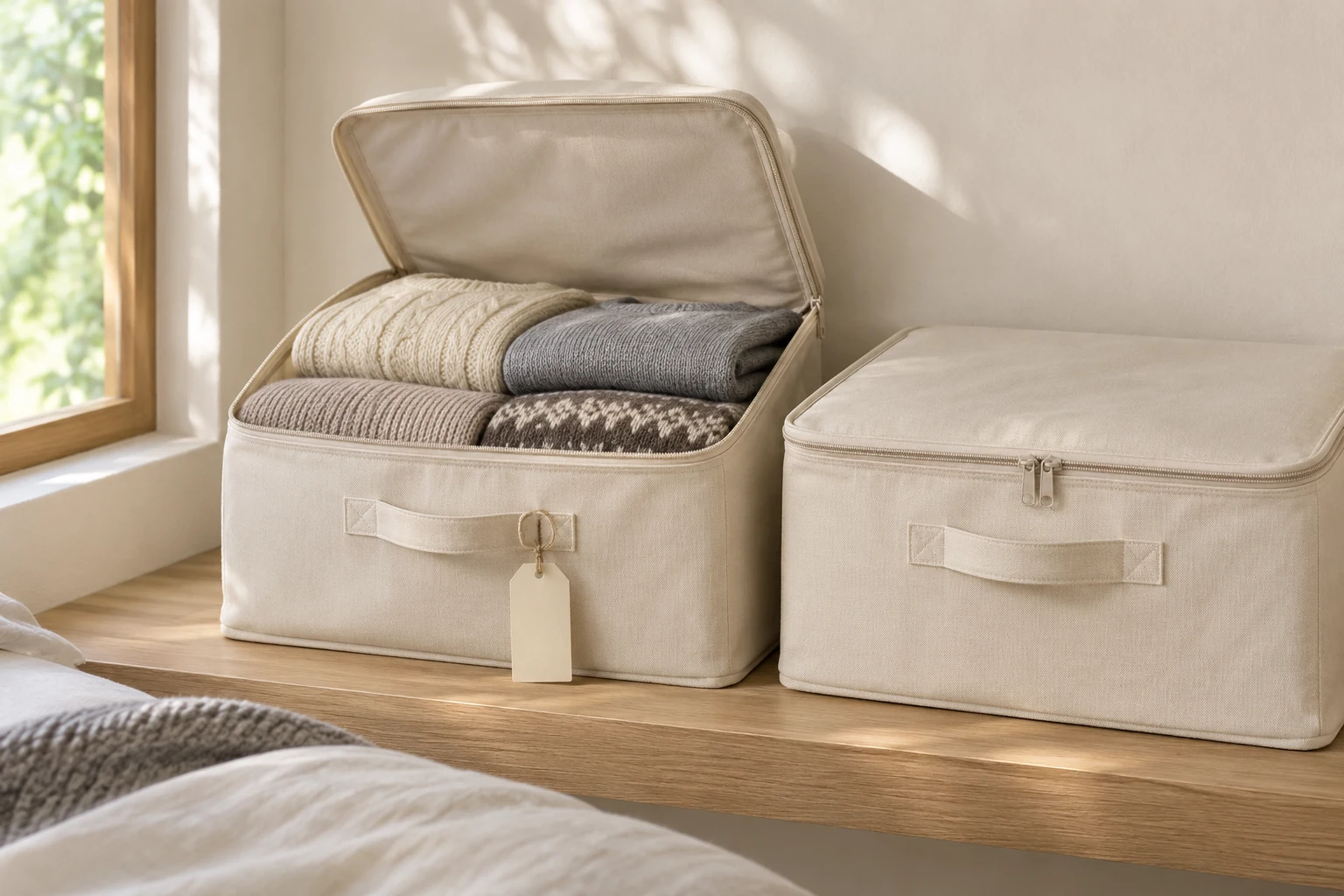
If one long coat occupies a small section of the wardrobe, leave that section open below rather than lowering every shelf. If several hoodies crowd the upper row, consider moving less bulky shirts beside them and giving folded knitwear a separate home. The right answer depends on what you wear and how you prefer to put it away.
Recheck the layout with doors closed and ordinary contents restored. Look for hems brushing dirty surfaces and sleeves trapped by doors. A tidy front view is useful only when the clothes can sit naturally and be retrieved without being pinched or dragged.
About our editorial approach · Created with AI assistance.